

Sustainability, Value, and the Case Against Greenwashing
Most conversations about value in product development stop at the organization. Did we protect revenue? Did we grow market share? Did we reduce cost? Those are useful questions — but they're not the only ones worth asking.
There's a broader lens we should be using, and it has a name: societal value.
The 17 Goals Sitting Quietly in the Background
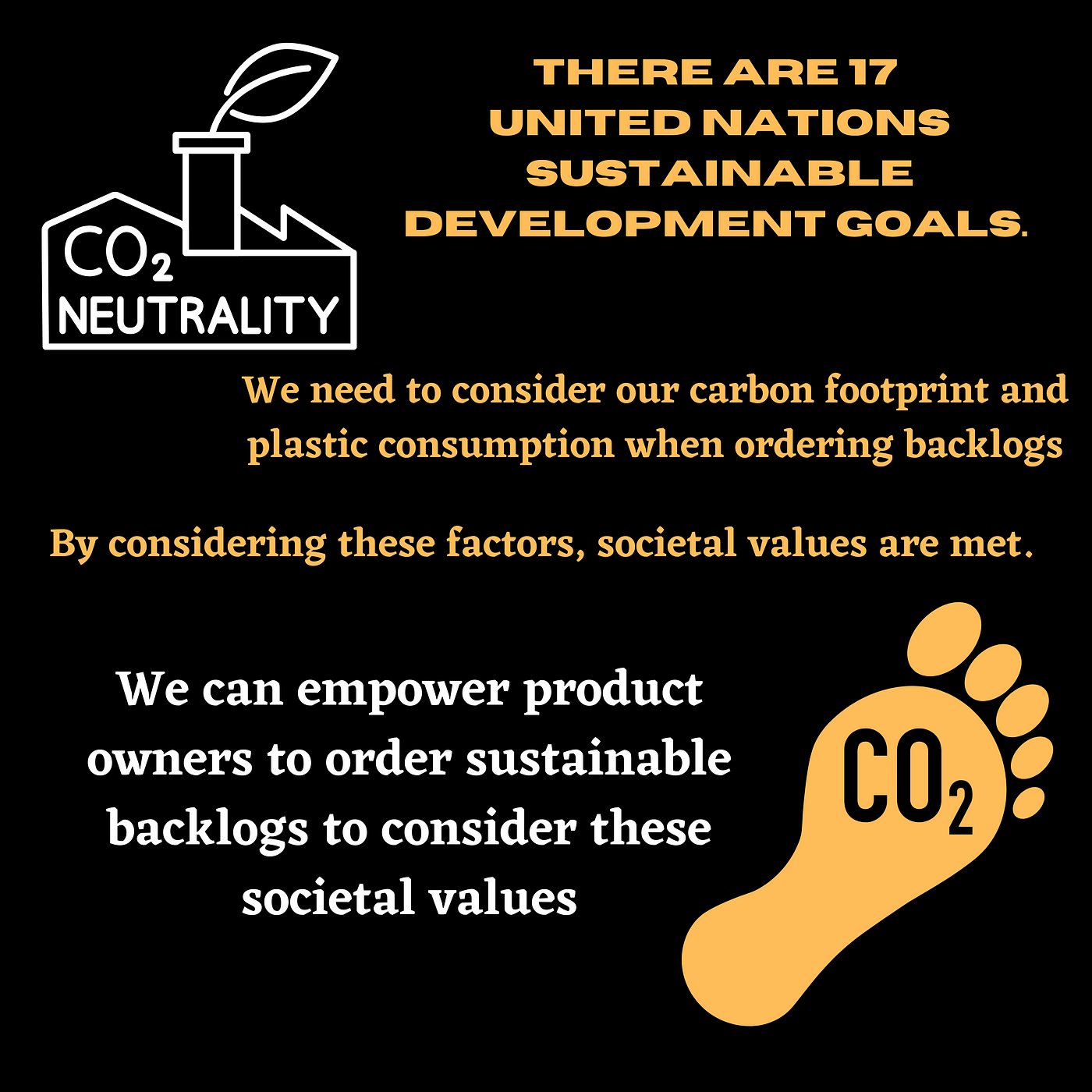
The United Nations has 17 Sustainable Development Goals. Most people have heard of them. Far fewer organizations actively consider them when deciding what to build next.
They're worth knowing about for a simple reason: when you measure value, you can measure more than just commercial value. Societal value is a legitimate dimension, and the UN's 17 goals give you a ready-made vocabulary for it — climate action, responsible consumption, reduced inequality, life below water, and so on.
One caveat worth noting: the 17 goals genuinely compete with each other. You can't optimize for all of them at once, and pretending otherwise leads to fuzzy thinking. Pick the ones that matter most to your product, your market, and your context — maybe reducing your carbon footprint, maybe moving away from plastic — and let those considerations shape how you order your backlog.
Sustainability Belongs in the Backlog
If you've empowered product owners to order the backlog, societal value is one of the inputs they should be weighing. It sits alongside market value, organizational value, risk reduction, and learning — not above them, and not below them.
In practice, that means sustainability shouldn't be a separate workstream or a CSR slide at the end of the quarterly review. It should be part of how you decide what to do next, sprint after sprint, experiment after experiment.
Authentic Sustainability vs. Greenwashing
Here's where I want to be blunt: greenwashing is a waste of energy.
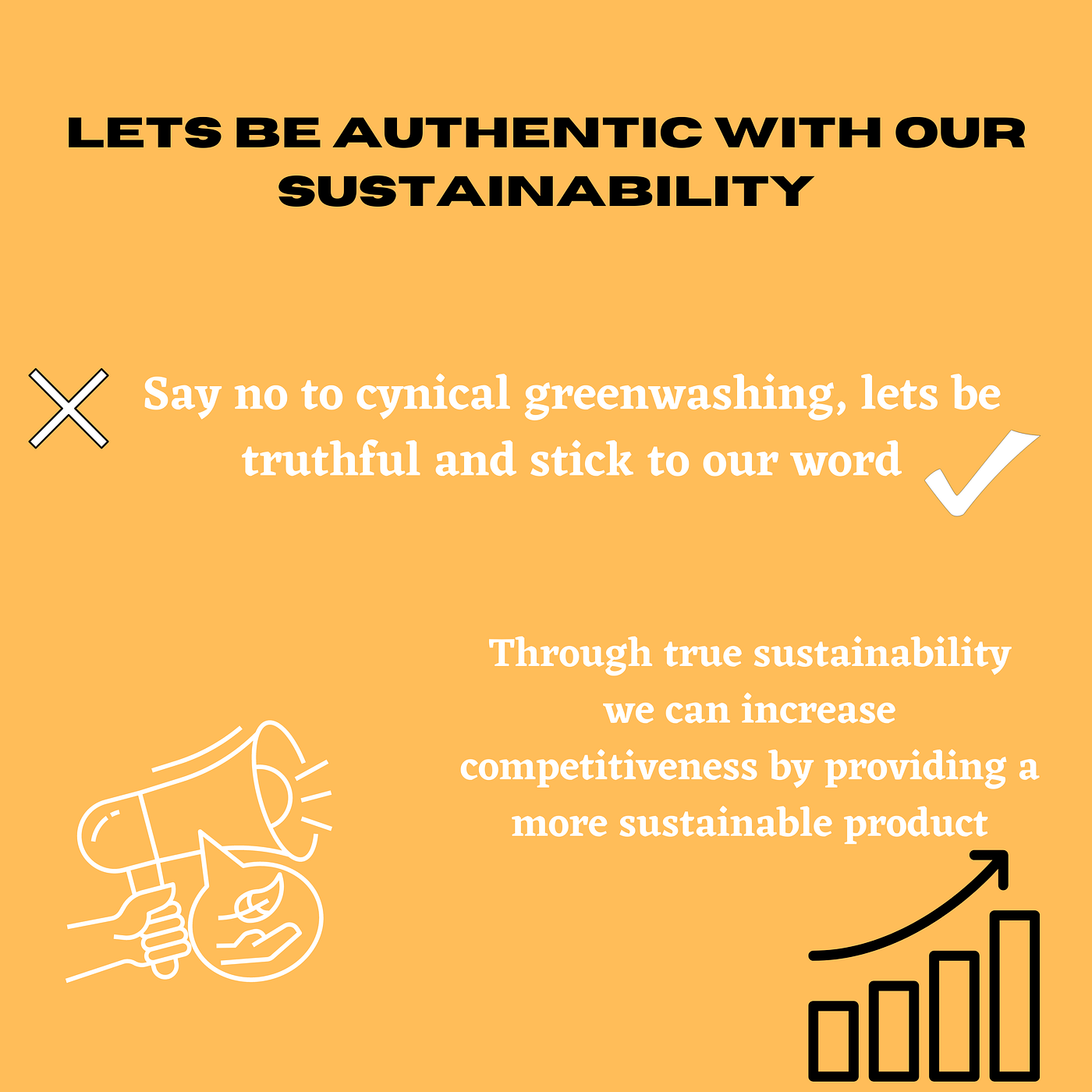
Pretending to be sustainable while changing nothing material about how you operate is worse than doing nothing at all. It consumes time and attention that could have gone into delivering real value to customers, and it's cynical enough that customers eventually notice.
The alternative is authentic sustainability. That means:
- Actually reducing plastic — not just redesigning the packaging to look greener.
- Actually reducing carbon footprint, both in what the product does and in how it's made.
- Looking honestly at the power your operations consume, the travel your teams rack up, and the components you source from the other side of the planet when they could have been sourced locally.
None of this comes with a recipe. There's no neat framework for improving sustainability, just as there's no neat framework for improving organizational agility. Both require genuine judgment applied consistently over time.
Being Ruthless About Value Includes Being Ruthless About This
The teams I respect most are ruthless about value. They don't build things that aren't worth building. They run experiments to figure out which ideas deserve investment and which should quietly die.
That same ruthlessness can — and should — be applied to sustainability. How much can we realistically reduce our carbon footprint? By when? What would it cost? What's the next experiment that would tell us whether the plan is working?
The Competitive Angle Most Teams Miss
There's also a commercial opportunity hiding in here that a lot of organizations underplay.
Can you make a more sustainable product or service without increasing cost to the customer? Will customers actually pay a premium for sustainability, or do they say they will and then choose the cheaper option anyway? Those are genuine R&D questions worth running experiments on — and the organizations that answer them well tend to find themselves with a real competitive advantage.
The Short Version
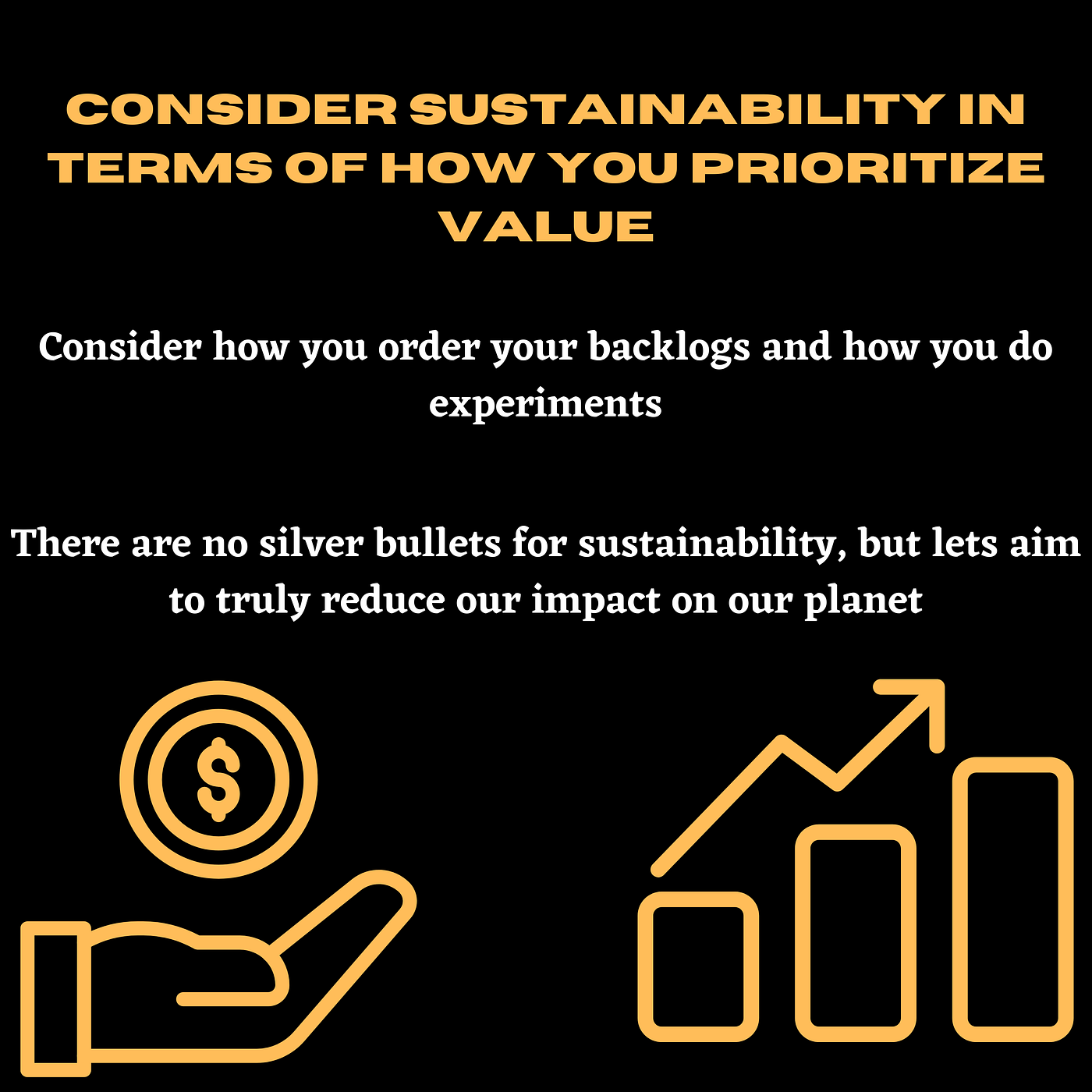
Sustainability isn't a separate initiative. It's part of how you think about value, how you order your backlog, and how you decide which experiments are worth running.
Go for the authentic version. Pick a couple of the UN's 17 goals that genuinely fit your context and commit to them. Skip the greenwashing — it fools fewer people than you think, and it wastes energy you could have spent actually making things better.
That's the nudge. The rest is up to you.
Share:
What is Cycle Time?
Who is responsible for a scrum team's performance?